
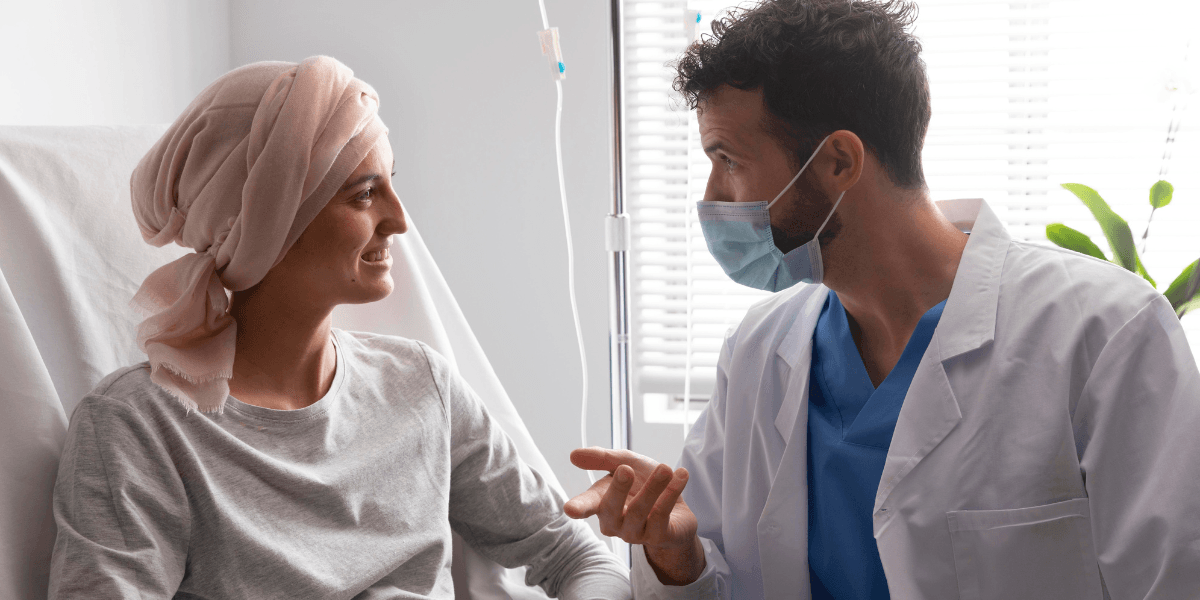
While killing cancer cells, chemotherapy drugs can damage regular, dividing cells, including new blood cells in the bone marrow and cells in the mouth, stomach, skin, hair, and reproductive system. Damage to regular cells has unhealthy effects, which we call side effects of chemo. Today, we will take you through all the important details of cancer treatment in Trichy, including its side effects in detail.
What Is The Process Of Chemotherapy?
What is involved will be explained by your chemotherapy nurse. Chemotherapy is often administered in an outpatient day chemotherapy unit or in an outpatient clinic. However, depending on the chemotherapy, some patients are treated in a hospital or at home. Chemotherapy dosage and type are decided based on the progress of your cancer, its type, and your physical health. Chemotherapy can sometimes be administered in many ways as part of treatment. For instance, you may take chemotherapy pills in addition to having chemotherapy injected into your vein.
Common Side Effects of Chemotherapy
Get a better look at some of the most common side effects.
Side effects depend on an individual’s health, stage, and medical history, however, the most commonly reported ones are –
1. Changes In Nails And Skin.
Chemotherapy may also result in changes to the skin and nails, such as dry skin, irritated skin, or infected skin.
2. Diarrhea And Constipation
Chemotherapy medicines can constipate the stomach or, if they are in heavy doses, can give the patient diarrhea.
3. A Low Count Of White Blood Cells
When the body is affected by chemotherapy treatment, patients are more susceptible to illnesses if they have a low white blood count.
4. Appetite Loss
Most chemotherapy patients have a loss of appetite, which is one of the most frequent adverse effects.
5. Sores In The Mouth
The formation of oral lining ulcers is one of the adverse consequences of chemotherapy.
6. Taste And Smell Changes
Due to the heavy medicines and loss of healthy cells, patients report they can’t smell or taste like before. Everything smells unpleasant while food tastes metallic or like sawdust.
7. Exhaustion
More incidences of fatigue are documented, mostly in cancer patients who choose to receive chemotherapy.
8. Nausea And Vomiting
Chemotherapy drugs have also been shown to disrupt the digestive tract, hence inducing nausea or vomiting.
9. Loss Of Hair
The biggest side effect of going through chemotherapy is hair loss. It is the most common and the most traumatic side effect.
Conclusion
Chemotherapy and side effects are hard to deal with initially. In trying to make it a bit easier, learning about the side effects and how to survive them is necessary. Reminding oneself that everyone is different and the side effects can be worked through with the proper mindset is necessary. Learning about balanced diets, resting when necessary, and hydration are all ways of doing so. The majority of side effects are reversible and will vanish immediately after the course of cancer treatment in Trichy is over. Proper care of the body during chemotherapy will ensure your passing through this period of ordeal and resuming normal health.