
Triple-negative breast cancer, or its shorter version TNBC, is one of the most aggressive and challenging types of breast cancer for medical professionals to treat. With very less treatment options in the oncology sector and a higher rate of getting it for the 2nd time, early detection and a personalized plan for care are more important than it’s said. If you think you’re ever in need of advanced TNBC treatment, a breast cancer specialist in Trichy can offer you the most up-to-date treatment, personalized cancer care, and a higher chance of recovery through precision medicine available.
The term “triple-negative breast cancer” refers to cancer cells that lack estrogen or progesterone receptors (ER or PR) and produce insufficient or excessive amounts of the protein HER2. (The cells are “negative” in all three tests.)
How Is Triple-Negative Breast Cancer Diagnosed?
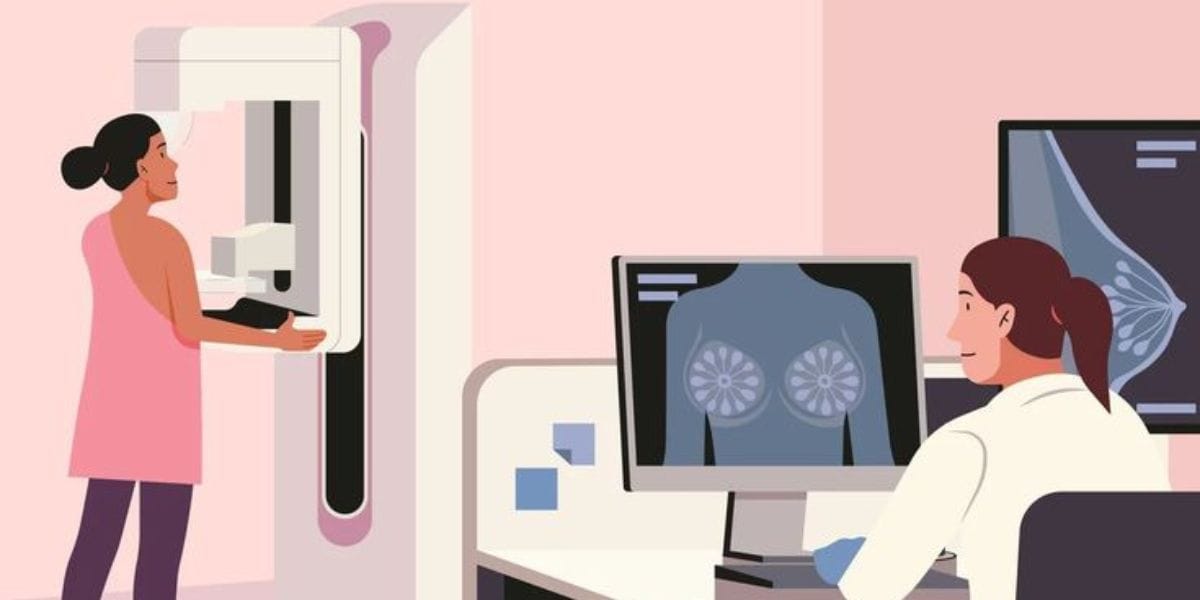
Once your oncologist checks your cells for breast cancer with the help of imaging tests and a biopsy, these breast cancer cells will be further checked to see whether they have certain kinds of proteins that categorize them as TNBC. Triple-negative breast cancer always has cells that lack estrogen or progesterone receptors, shorter versions are ER or PR, and produce low amounts or more than required amounts of HER2 protein.
How Is Triple-Negative Breast Cancer Treated?
Relative to HR-positive and HER2-positive breast cancer, triple-negative breast cancer has few FDA-approved targeted therapy medications, and this is thus a high priority. Treatment of triple-negative breast cancer is especially difficult because there are no identified targets for treatment. Until recently, the usual treatments for TNBC were surgery, chemotherapy, and radiation.
Surgery
Breast cancer removal surgery is almost always part of the treatment plan. However, your oncologist will consult with your breast surgeon to determine whether alternative treatments should be provided first to reduce the size of the tumor before surgery. Your breast surgeon will recommend either
- Lumpectomy: This is commonly known as breast-sparing surgery among doctors; it requires removing the dead lump of cancer cells and the majority of tissues around it. After this operation, radiation is used on the patient to ensure targeted therapy to eradicate any leftover cells. Other therapies, such as chemotherapy, may follow.
- Mastectomy: It is the removal of one whole breast. BRCA+ patients may have both breasts removed since triple-negative breast cancer is more likely to reappear in the second breast than other types of cancer. This is a more thorough procedure, yet it works very well for many individuals. Radiation, like lumpectomies, may be recommended after surgery, in addition to other treatments.
Chemotherapy
Chemotherapy is practically always used in the treatment of triple-negative breast cancer. This is because it grows swiftly, and microscopic cancer cells may be traveling through the lymph system, where they may gather and attach to another part of the body.
Radiation Therapy
Radiation therapy is also commonly applied to the treatment of breast cancer, especially triple-negative breast cancer. It’s another well-known treatment method that’s broadly applied after surgery and has been shown to enhance outcomes for most cases.
Other Options Include:
- PARP Inhibitors: PARP inhibitors come under the category of targeted therapy, which can damage cancer cells. This type of treatment has just been approved by the FDA to treat triple-negative breast cancer among patients.
- Keytruda (pembrolizumab): The medication that leverages the immune system of the patient to combat cancer was approved in 2021 for the treatment of triple-negative breast cancer at the initial stages.
Conclusion
While triple-negative breast cancer has its own set of special challenges, swift and capable treatment can be just what the doctor ordered. One of the breast cancer specialists in Trichy will assist you in creating a treatment plan with immunotherapy, chemotherapy, surgery, and more advanced techniques such as PARP inhibitors. Patients now have additional options for efficient therapy and a new sort of strength in the battle against TNBC thanks to a multidisciplinary approach and genetic understanding.
FAQs
1.Is triple-negative breast cancer hereditary?
Yes, in certain instances. TNBC is more common in people who have inherited BRCA1 mutations.
2.Can males have triple-negative breast cancer?
Yes, although rare, men can get TNBC. Male TNBC can often be identified late because of its rarity.
3.Is pregnancy safe after TNBC?
In the majority, the response is yes. But that is conditional upon cancer history, treatment, and remission duration. Always seek individual guidance from your fertility specialist and breast cancer specialist in Trichy.