
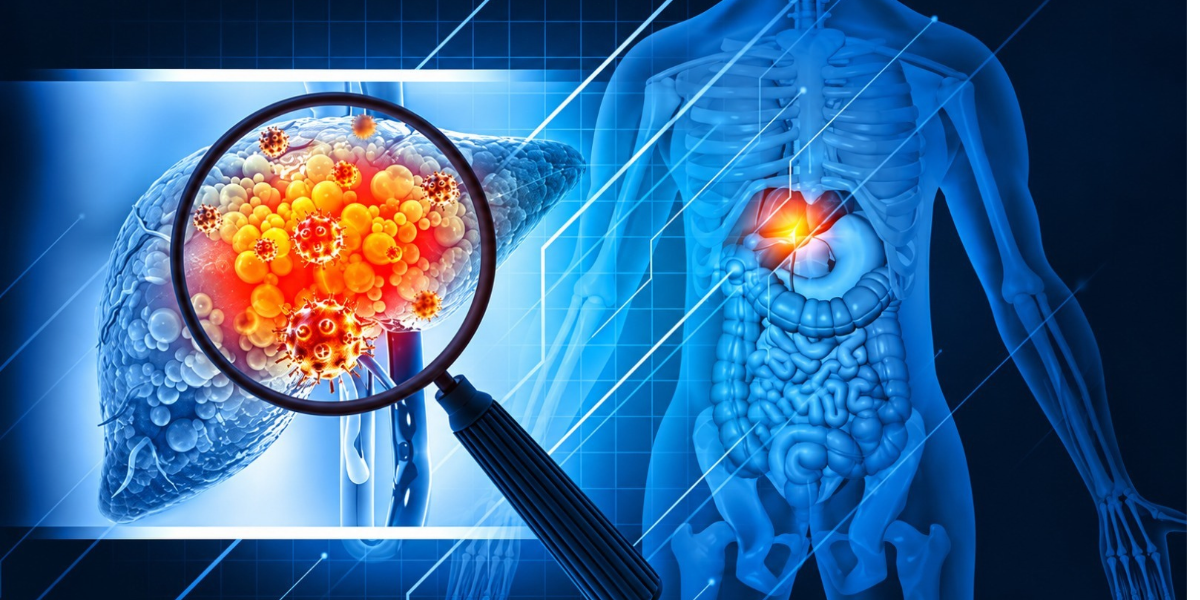
Liver cancer is thought of as something sudden — rather, it starts slowly, supported by liver diseases. Lack of awareness and neglect give rise to abnormal cell growth, and by the time it is diagnosed, it has already progressed to an advanced stage.
In Tamil Nadu, the improvement in cancer care has helped open up treatment possibilities for more patients. And with the help of this blog, we will take you through the advancements in liver cancer, the treatment options available, the importance of a multi-speciality liver cancer team, and the key questions that you need to ask before starting treatment at a liver cancer hospital.

Understanding Liver Cancer
Similar to the cancers of other organs, liver cancer is when abnormal cell growth happens uncontrollably, resulting in tumor formation.
Liver cancer has been categorized into two types:
- Hepatocellular Carcinoma [HCC] — This kind of liver cancer is the most common and develops in people who have chronic liver conditions, hepatitis infection, or in individuals with a history of heavy alcohol use.
- Cholangiocarcinoma [Bile Duct Cancer] — Bile duct cancer is one of the rare types of liver cancer. It primarily affects the bile ducts.
Why Liver Function Matters in Cancer Treatment
Being a slightly different condition to manage and treat than other cancers, liver cancer specialists have to treat the tumor while managing the health of the liver as well. If the patient has stage I liver cancer but has poor liver health, then the treatment methods and the entire treatment process face difficulties.
That’s why the multidisciplinary team at a liver cancer hospital evaluates liver function before beginning the treatment, as the treatment risks and the possibility of a successful recovery depend on it.
Why Early Detection Matters
Early detection for liver cancer is crucial considering the numerous vital functions that it performs, including, but not limited to, filtering toxins in your blood, processing nutrients, contributing to the digestion process, and also creating critical proteins for the body. With little to no apparent symptoms during the early stages, certain chronic liver diseases have the potential to elevate the risk of liver cancer, such as:
- Alcohol-related liver disease
- Fatty liver disease
- Viral hepatitis
- Autoimmune liver disorders
If you notice discomfort, fatigue, abdominal pain/swelling, loss of weight, jaundice, loss of appetite, or have a family history of liver disease, then evaluation by a medical professional becomes important.
How Advanced Liver Cancer Treatment in Tamil Nadu Is Evolving
Due to conditions like fatty liver disease, liver cirrhosis, hepatitis infections, use of alcohol, as well as diabetes, liver cancer cases are rising rapidly in Tamil Nadu. But thanks to the advancements in medical science, cancer care has been progressing rapidly over the years. Nowadays, liver cancer treatment is decided not just by one oncologist but by a team of experienced specialists. They understand the patient’s health by reviewing reports, scans, as well as the liver’s condition, to personalize the treatment approach that focuses on recovery and management of side effects.
At the best liver cancer hospitals in Tamil Nadu, patients are treated using the most advanced technology for diagnosis, screening tests, and treatments like minimally invasive and robotic surgeries. They are also offered counseling, nutrition and diet planning, hepatitis care, along with routine checkups for recurrences at the most affordable rates. This, coupled with an evidence-based approach, allows the liver cancer hospitals to offer patients the best treatment outcomes.
Liver Cancer Treatment Modalities A Hospital Needs To Have
A liver cancer hospital needs to offer multimodal treatment options like:
- Surgical Resection
- Liver Transplantation
- Transarterial Chemoembolization (TACE)
- Radiation Therapy
- Chemotherapy
- Targeted Therapy
- Immunotherapy
- Cryosurgery
- Palliative care
With the alarmingly high number of liver cancer cases globally, choosing a cancer hospital that offers the most advanced treatment options becomes crucial. The hospital needs to offer patients advanced as well as minimally invasive care that is backed by experts and aligned with global standards for improved treatment outcomes.
Specialists Involved in Liver Cancer Treatment
The best liver cancer treatment requires a multidisciplinary team that consists of:
- Medical and Surgical oncologists
- Hepato-biliary oncologists
- Interventional radiologists
- Gastroenterologists
- Hepatologists
- Pain and palliative care experts
- Clinical nutritionists
What to Ask Before Treatment
Be sure to ask your liver cancer specialists these questions before starting your treatment.
- Considering the symptoms and the general condition, how promptly should the treatment be initiated?
- Do any of the concurrent health conditions — diabetes — high blood pressure — cardiovascular disease impact the treatment options available?
- Is the cancer confined to the liver or has metastasized to adjacent lymph nodes or organs?
- How much of the liver function remains, and can it tolerate liver-directed therapies [LDTs]?
Conclusion
The advancements in the field of liver cancer treatment in Tamil Nadu are based on early detection, the knowledge of liver biology, as well as a multidisciplinary approach to therapy. These factors, which contribute to the ongoing improvement in the management of this disease, enable the team to provide more effective and individualized care to patients.
Early detection, diagnosis, and consultation from experienced liver cancer specialists can help the patient towards safer treatment and better recovery. By having access to advanced cancer treatment in Tamil Nadu, patients from all around the world can get more comprehensive liver cancer management that focuses primarily on improved treatment outcomes.