

Being diagnosed with lung cancer is often accompanied by many questions concerning the treatment and the prospects of recovery. Fortunately, advancements in the medical field have answered many of these questions positively due to the remarkable progress in the field of cancer diagnostics, surgeries, radiotherapy, and medicine in general. Today it is possible to treat many cancers, and lung cancer is one of them.
Lung cancer management goes beyond a simple identification of the tumor and choosing an optimal therapy. The multidisciplinary team evaluates the cancer type, its stages, molecular features, plus the patient’s condition to build an individual treatment plan.
Therefore, the best lung cancer hospital in India should provide accessible resources, specialist support, and viable treatments. Moreover, patients can recognize the value of these and play an active role in decision-making.
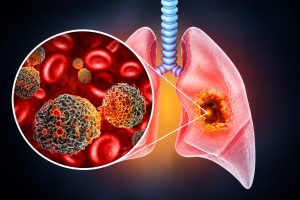
Diagnostics
Accurate diagnosis and staging play a critical role in determining the most appropriate course of therapy. Current methodologies in diagnostics facilitate the identification and characterization of the tumor’s location plus biological properties.
PET-CT imaging
Oncologists use both a PET and a CT scan to examine abnormal metabolic activity and its location in the body. This diagnostic method helps get to know the spread of the disease and plan its treatment.
Liquid biopsy
It is another remarkable development in the field of precision oncology. It involves analysis of tumor-derived material in a blood sample, particularly circulating tumor DNA (ctDNA). This can be used to detect genetic alterations in situations when there is inadequate tissue available or obtaining a further tissue sample is problematic. It can also be used to guide treatment decisions in selected patients with advanced disease. It should not replace tissue biopsy as the initial approach to establishing the diagnosis.
Surgery
Surgery is considered an essential treatment for selected patients with early-stage/localized or locally advanced lung cancer who are eligible for safe and complete tumor resection.
Robotic thoracic surgery
Robotic-assisted thoracic surgery involves the use of specially designed robotic instruments by a surgeon at a console. With the help of a camera that provides a magnified three-dimensional view, the surgeon makes very precise movements using small incisions. The goal of robotic-assisted thoracic surgery is to reduce the pain and blood loss of traditional surgery and to speed recovery.
Video-assisted thoracoscopic surgery
VATS is a minimally invasive procedure that involves shorter hospital stays, quicker healing, and less post-surgical pain for patients. The method employs small incisions to provide access for special tools that are inserted into the patient’s chest and guided by a small camera.
Radiotherapy
Radiotherapy involves the use of high radiation to damage cancer cells. Modern techniques allow the radiation to be precisely focused on the tumor so that the surrounding normal tissues are exposed to as little radiation as possible.
Stereotactic body radiotherapy
SBRT is a form of radiotherapy treatment that involves the delivery of a highly focused dose of radiation in a limited number of treatment sessions. It is an established treatment for selected patients with early-stage, localized non-small-cell lung cancer who are unfit for surgery or who refuse surgery.
CyberKnife
It is a robotic platform for delivering radiation treatment, which can make use of image guidance to allow highly targeted treatment. It is a technology platform rather than a specific type of cancer treatment.
Proton therapy
It makes use of positively charged particles known as protons to deliver radiation. The physical properties of protons can allow reduced exposure of normal tissue beyond the target in appropriate cases.
Targeted therapy
Targeted therapy works by using drugs that target certain molecular abnormalities that are present in cancer cells. Molecular tests can be done to assess whether there are any such abnormalities that can be targeted by these drugs.
There are some targeted drugs that come in the form of tablets that can be taken orally without visiting the hospital; however, regular check-ups are required.
Antibody-drug conjugates
ADCs are drugs that combine an antibody that recognizes and binds to a specific molecular target with a cytotoxic drug.
ADCs represent an emerging class of anticancer agents. Eligibility is based on the molecular status of the tumor, prior treatment, and relevant indications approved by regulatory authorities, as well as the opinion of the treating oncologist. Hence, ADCs should be considered as targeted treatment modalities for selected patients with lung cancer rather than a standard of care for patients with lung cancer.
Immunotherapy and Multi-Targeted Oral Medications
Immunotherapy
Immunotherapy is a kind of treatment that uses the immune system to fight cancer cells. According to the diagnosis, immunotherapy can also be combined with chemo or other treatment modalities.
Multi-targeted oral medications
They target signaling pathways that are essential for the growth of tumors. These drugs inhibit more than one molecule and are also developed against specific genetic changes.
Palliative Care Services
Palliative care can be provided simultaneously with cancer treatment. It is aimed at relieving distressing symptoms like breathlessness, pain, cough, fatigue and anxiety, as well as providing support to patients and their carers.
The supportive services may comprise:
- Nutritional Counseling
- Respiratory Rehab
- Psychological Support
- Pain Management
- Smoking Cessation Support
- Counseling On Managing Medication-Related Side Effects.
Conclusion
The treatment of lung cancer in India has witnessed significant developments with enhanced diagnostic approaches, advanced surgeries, innovations in radiotherapy, as well as medical oncology. However, the best technology available is not the only thing to look for. Thus, the search for the best lung cancer hospital in India should focus on its diagnostic capabilities, availability of evidence-based treatment modalities, multidisciplinary treatment strategies, and supportive care facilities.