
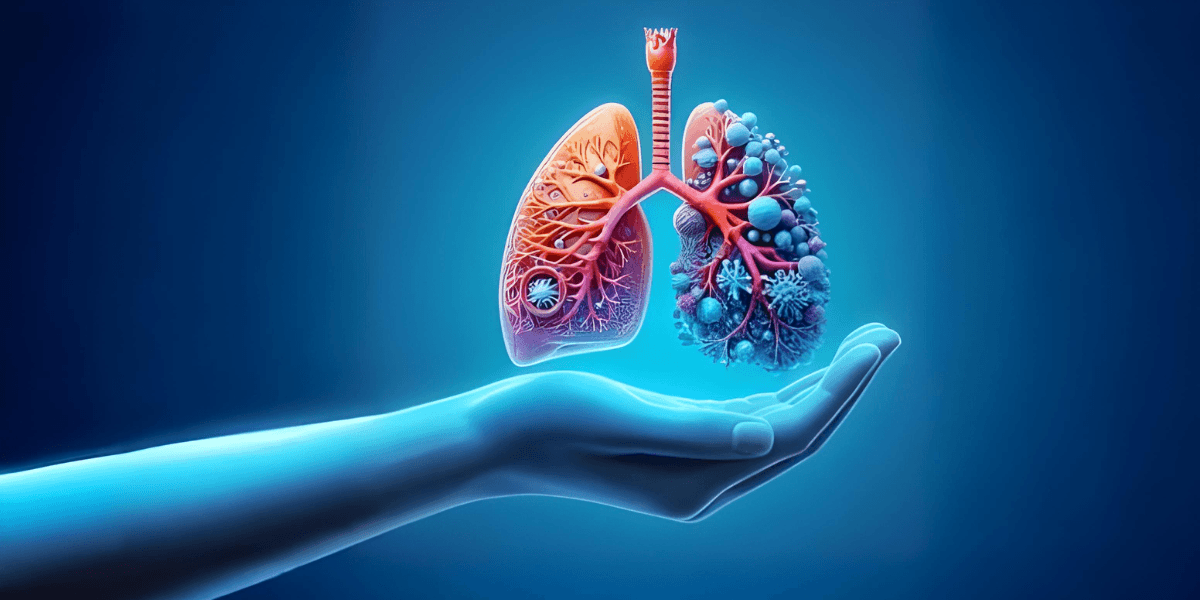
Lung cancer is caused by uncontrolled cell division in the lungs. Damaged cells divide uncontrollably, forming lumps, or tumors, of tissue that eventually prevent your organs from functioning normally. It is one of the most common and severe cancers globally, yet modern treatments provide new hope. From advanced surgeries to precision therapies, modern medicine provides powerful ways to fight it. This blog explores the most successful lung cancer treatments available at the best lung cancer hospitals in India and how they work in detail.
Pre-treatment Evaluation
- Before therapy, the doctor at the best lung cancer hospital in India will usually do a biopsy to identify whether cancer exists and, if so, what type.
- Doctors use medical imaging to evaluate the stage of a tumor. Treatment choices (and expected outcomes) vary depending on the stage of the tumor. Chest X-rays and computed tomography (CT) are commonly used imaging procedures.
- You may be subjected to pulmonary and cardiac functional testing to determine your ability to tolerate surgery.
- Blood testing will show if you can tolerate chemotherapy, targeted therapy, or immunotherapy.
Most Effective Treatments For Lung Cancer
Surgery
Surgery is one of the treatments for early-stage lung cancer. The type of surgery is determined by the size and location of the tumor in the lung, the severity of the cancer, the patient’s overall health, and other considerations. Many procedures require a thoracotomy, which is a lengthy incision in the side of the chest. Some early-stage tumors can be treated with video-assisted thoracic surgery (VATS), which involves multiple small incisions (rather than a single large one) and specialized long surgical equipment.
Chemotherapy
Whereas surgery focuses on a single part of the body, chemotherapy searches across the body for tumor cells. Chemotherapy is typically administered via IV infusion. Chemotherapy works by interfering with the cancer cells’ capacity to grow and replicate. Different types of medications function in different ways to combat cancer cells. The oncologist will propose a treatment strategy for each patient. Chemotherapy for lung cancer can be given before or after other therapies or alone.
Radiation Therapy
Radiation treatment is the use of high-energy radiation to eliminate cancer cells and decrease tumors. Radiation may be combined with chemotherapy to treat lung cancer. Radiation therapy is delivered using the following techniques:
- External radiation (external beam therapy): A treatment in which high amounts of radiation are carefully delivered directly to cancer cells. The radiation therapist controls the machine. Because radiation is used to destroy cancer cells and reduce tumors, protective shields may be utilized to protect the tissue near the treatment region. Radiation treatments are often painless and only last a few minutes.
- Proton therapy: It is a sophisticated and very precise radiation treatment for malignancies. Compared to previous approaches, it directs more energy to the tumor while emitting less radiation to healthy tissue.
Targeted Therapy
Targeted therapy, like chemotherapy, searches across the body for malignant cells. These are medications that target specific components of cancer cells or adjacent cells that aid in their growth. So far, these medications have only been shown to be effective in treating certain non-small cell lung cancers. For example, as tumors progress, they create new blood arteries that sustain them. It is administered alongside the regular chemotherapy treatment. Other targeted medications, including crizotinib, erlotinib, and cetuximab, may also be beneficial.
Immunotherapy
Immunotherapy is an emerging cancer-fighting technique that uses medications, vaccines, and other therapies to activate the immune system’s inherent defenses, allowing it to fight cancer. One form of immunotherapy medicine known as “anti-PD-1” has been shown to cause considerable tumor regression in 25% of patients who take it following a round of chemotherapy. Three immunotherapy medications, pembrolizumab, atezolizumab, and nivolumab, have been approved to treat specific non-small cell lung cancers.
Your doctor will decide which is the best treatment for lung cancer based on:
- Age, general health, and medical history
- Type of lung cancer
- The severity of the disease
- The ability of your body to tolerate specific treatments.
- Expectations regarding the progression of the disease
- Your opinion or preference.
Conclusion
Lung cancer treatment is most effective when tailored to the patient’s cancer type, stage, and overall health. Outcomes are improving as surgery, chemotherapy, radiation therapy, targeted therapy, and immunotherapy advance. Early diagnosis and effective treatment at the best lung cancer hospital in India are essential. Always get advice from a top lung cancer expert or center to choose the best method.
FAQs
- Can changes in lifestyle help in the treatment of lung cancer?
Indeed. Overall health, treatment response, and recovery time can all be increased by quitting smoking, maintaining a balanced diet, controlling stress, and engaging in physical activity as recommended.
- How is post-treatment monitoring for lung cancer conducted?
To screen for recurrence or spread, doctors perform clinical exams, blood tests, and routine follow-up scans (CT, PET). The type and stage of cancer being treated determine how frequently follow-up is carried out.
- Can lung cancer produce symptoms in different parts of the body?
Yes. If it spreads (metastasizes), it can cause pain in the bones, headaches, seizures, jaundice in the liver, and adrenal glands. This influences treatment planning and urgency.