

A diagnosis of throat cancer can be worrying and lead patients to have questions and concerns about their treatment. Based on the location of the cancerous growth in the throat, patients can experience changes in voice, issues with swallowing, as well as breathing difficulties.
The main aim of treatment for throat cancer is to control the tumor while maintaining some essential functions such as breathing, speaking plus swallowing wherever possible. However, patients still want to know how each treatment is going to affect them and its procedure. To answer this, we will take you through this blog explaining the different treatments together with supportive care and things patients should know about before starting treatment.
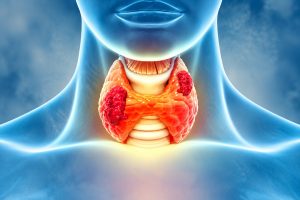
Surgical Treatment Options for Throat Cancer
Surgery may be recommended for tumors that can be safely and successfully removed. The type of surgery will depend on the location and staging of the cancer, as well as its involvement of surrounding structures.
- Partial laryngectomy: This procedure aims to remove the affected portion of the voice box, leaving some of it intact. It may be considered for selected laryngeal cancers – although alterations in voice, swallowing, or breathing may result.
- Total laryngectomy: is the surgical procedure that involves the total removal of the voice box. This operation is used mainly for selected cases of advanced cancer of the larynx or when the tumor cannot be treated successfully by other methods or if such treatment is not feasible.
- Pharyngectomy: This procedure involves the removal of a portion of the pharynx where the cancer is located, for example, certain cancers of the hypopharynx may require extensive surgery that will necessitate reconstruction and swallowing rehabilitation.
- Transoral laser microsurgery (TLM): This procedure involves the removal of suitable tumors using a specialized laser passed through the mouth. It may be considered for selected early laryngeal cancers and other tumors accessible to this technique.
- Transoral robotic surgery (TORS): This procedure involves the removal of selected tumors using robotic instruments and three-dimensionally reconstructed images. It may be used for certain cancers of the tonsils and base of the tongue.
- Reconstructive surgery: This is a surgical procedure that involves the transfer of tissue from another part of the body to replace tissue lost as a result of extensive tumor removal, with the aim of restoring swallowing functions when possible.
Radiation Therapy
Radiation therapy can be used in the management of certain early-stage laryngeal or oropharyngeal cancer, following surgical procedures with the intent of further intervention, or in combination with chemotherapy for locally advanced cases.
For certain cases of laryngeal cancer, radiation therapy can be used to shrink the tumor while leaving the vocal cords intact. In the case of oropharyngeal or hypopharyngeal cancer, radiation therapy can be used to eliminate cancerous cells with the least damage to healthy tissues.
Chemotherapy
Chemotherapy involves the use of drugs to kill cancer cells or prevent their growth. The common methods of chemotherapy include:
- Concurrent chemoradiation: It is a type of combined treatment for throat cancer by means of which radiation and chemotherapy are used simultaneously to destroy cancer cells or reduce their number and tumor size.
- Induction chemotherapy: It is a method of chemotherapy where drugs are administered prior to the start of a primary treatment, which may be indicated in particular cases.
- Treatment of recurrent or metastatic cancer: In such conditions, chemotherapy is combined with immunotherapy or other medications.
Immunotherapy
Immunotherapy refers to a type of treatment that aids in boosting the body’s disease-fighting system to combat cancer cells. Checkpoint inhibitors, monoclonal antibodies, along with cancer vaccines are three of the most common immunotherapy treatments for throat cancer.
Targeted Therapy
Targeted therapy makes use of drugs that target particular proteins linked to cancer’s progress. A throat cancer specialist decides if it is suitable depending on location, stage, and the therapies tried before.
Clinical Trials and Newer Treatments
Clinical trials offer new drugs, medical devices, surgical techniques, or an improved version of the existing throat cancer treatment. The latest advancements in the treatment of throat cancer include the development of new immunotherapy combinations and approaches that allow better control of tumors and maintain the patient’s ability to speak and swallow. Researchers are also working on less aggressive treatment options for HPV-positive oropharyngeal cancers.
Palliative Care and Emotional Support
The diagnosis and the damage of throat cancer can have a physical as well as an emotional impact on the patients. Palliative care options can help control and relieve the symptoms, side effects, along with the stress of throat cancer and its treatment, and are available to patients in a throat cancer hospital. Such an intervention can begin at the time of diagnosis and may be combined with cancer-specific treatment.
Emotional and psychological support may include:
- Counseling: It is provided to patients who are suffering from anxiety and their family members to help them deal with treatment and possible lifestyle changes after treatment.
- Support groups: They are organized for patients and family caregivers to create a comfortable platform for sharing individual experiences.
- Financial aid: The patients are advised and supported in terms of funding for treatment. This is done by connecting them with an NGO, helping them claim insurance, or requesting donations.
Recovery and Rehabilitation
A successful recovery from throat cancer is not just effective treatment but also rehabilitation that restores speaking, swallowing, as well as breathing.
Rehabilitation services a throat cancer hospital in Tamil Nadu should include are:
- Swallowing/Speech rehabilitation: Be it for treatment or for the restoration of the throat or after surgery, patients are advised to undergo rehab to regain their throat function or to learn how to use a voice prosthesis.
- Thyroid monitoring: Treatments such as radiation therapy have the potential to alter thyroid function; hence the importance of regular thyroid tests.
- Oral care: Another side effect of radiation therapy is that it may lead to dryness of the mouth, altered sense of taste, plus other oral complications that demand consistent oral care.
Based on the patient’s condition, the multispecialty team can guide the patient on which services are required.
Conclusion
The treatment for throat cancer varies from one patient to another based on where the tumor has developed, its spread across the throat, and the functions that it may have affected. The best treatment is not just a single type of care but rather coordinated care that comes from a multispecialty team of oncologists, surgeons, physiatrists, along with supportive care experts.
Coordinated care from a reputed cancer hospital is very important, as throat cancer care is not just limited to eliminating the tumor but also involves preserving the voice, swallowing, and reconstructing affected tissues.