
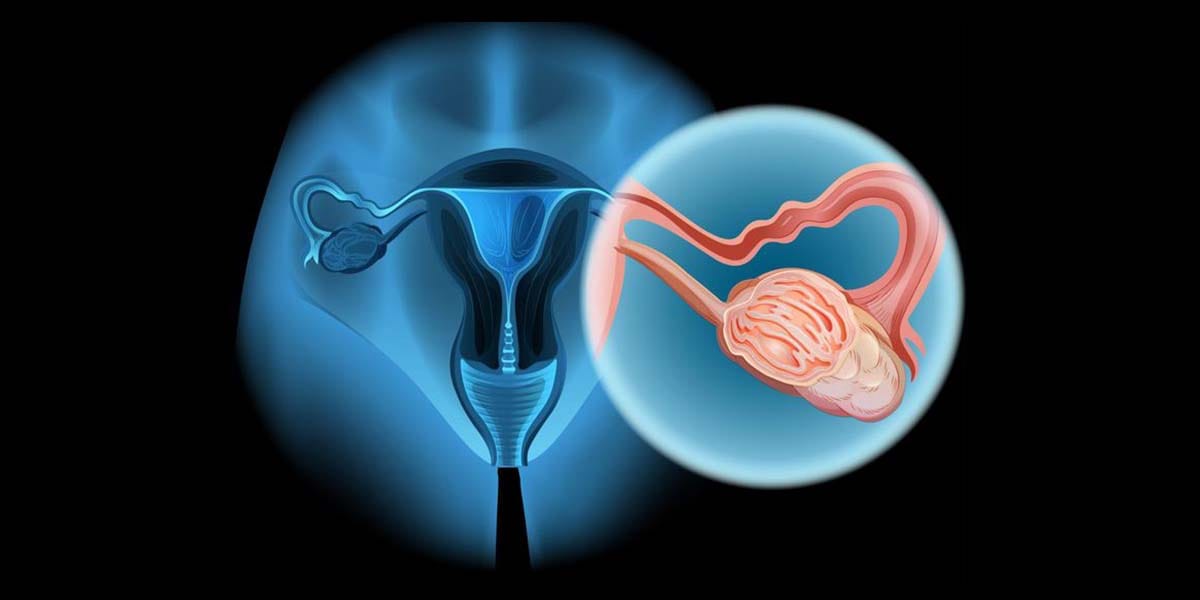
When it comes to the management of ovarian cancer, treatment is only one aspect of it; changes in your lifestyle are more important than you think. Certain kinds of products, unhealthy actions/habits, and foods can possibly delay recovery or increase the chance of the cancer recurring. In order to promote better outcomes, this blog outlines what to avoid if you have ovarian cancer, covering diet, intimate care, lifestyle choices, and more, to support better outcomes with insights and tips from Ovarian cancer specialists.
Foods to Avoid During and After Ovarian Cancer
Processed Meat
Preservatives and nitrates found in processed meats have the potential to cause cancer and promote inflammation. They may raise the chance of cancer recurrence and worsen treatment results.
Sugary Foods
Consuming a lot of sugar raises insulin and increases inflammation. Sugary foods can be dangerous both during and after treatment because some cancer cells prefer high-glucose environments.
Refined Grains
Blood sugar spikes are caused by the lack of nutrients and fiber in refined grains. In cancer care, this may impact energy, weight, and hormonal balance in addition to promoting inflammation.
Trans Fats
If you have higher trans fats, it can possibly weaken your immunity, increase bad cholesterol, and create inflammation. It can worsen your fatigue and disturb post-chemotherapy recovery for patients.
Raw Fish
If you eat raw fish actively, it can contain bacteria or parasites that can seriously affect cancer patients with weakened immune systems. Go for vegetarian or clean protein alternatives.
Excess Salt
One of the common side effects of ovarian cancer is bloating and fluid accumulation. If you eat processed foods, they have higher salt content, which stresses the kidneys and disturbs the recovery process of the patient.
Vaginal Practices to Avoid in Ovarian Cancer
Vaginal Douching
If you’re douching your vagina, it can disturb the good bacteria in the vagina and can push any chemicals or bad bacteria upwards the ovaries. This increases the risk of infection among women. You should avoid it, as with low immunity, it’s risky to get infections.
Scented Soaps, Wipes & Vaginal Deodorants
Chemical products with excess perfumes are dangerous for patients receiving sensitive pelvic-area cancer treatments from their doctors. Perfumes can be endocrine disruptors, leading to an imbalance in the body.
Synthetic or Tight Underwear
Poor air circulation can cause bacterial or fungal infections in the vaginal area. Breathable cotton innerwear is the best option for women during treatment.
Over-the-Counter Vaginal Medications
Don’t use vaginal medicines or supplements without knowledge of your doctor. It will mask symptoms and interfere with your treatment. Avoid self-treatment totally.
Unprotected Sex During Treatment
Chemotherapy increases the risk of infection and harm during intercourse by weakening vaginal tissue and immunity. Safe intimacy requires medical supervision and barrier protection.
Tampons if Bleeding Occurs
Tampon use is dangerous due to low white cell counts or bleeding issues from cancer therapy, which can result in damage or infection. If recommended, use pads.
Talcum powder
The usage of talc in the vaginal area has been associated with an increased risk of ovarian cancer. It may induce irritation in the surrounding area of the pelvis even after diagnosis.
Everyday Risks to Avoid for Ovarian Cancer Patients
Smoking
A Cigarette contains over 7,000 chemicals. It can not only disturb treatment but also provoke cancer cells. Stopping smoking actively or passively is the most important thing you can do for your treatment.
Don’t Self-Medicate with Supplements
Don’t self-medicate at all. Online information may sound good, but no one but your physician knows your health and can tell you whether you can take certain drugs, multivitamins, and supplements.
Exposure to Toxins & Chemicals
Toxic chemical cleaners, overuse of plastics in foods, and pesticides can suppress immune function or influence hormones, harmful while treating ovarian cancer. Try using natural products.
High Stress & Sleep Deprivation
Emotional strength, immunity of your body, and recovery are all affected by high stress and low sleep. To get better recovery, manage your mental health.
Inactive Lifestyle
Moderate to light exercises improve blood circulation, reduce the chance of blood clots happening in the body, and reduce fatigue. This physical boost helps in self-recovery after treatment.
Skipping Doctor Appointments or Ignoring Symptoms
If you have ovarian cancer, its symptoms may be overlooked. If you do not visit check-ups or overlook symptoms, you may postpone the detection of recurrence or complications.
Conclusion
You should generally avoid the above-mentioned habits if you are trying to be on the safer side by prevention, in treatment, or post-treatment to avoid recurrence of ovarian cancer. Eat a healthy, natural diet, consult your oncologist for any other changes in your routine, and get the right treatment. The aforementioned advice can increase their chances of recovery, according to ovarian cancer specialists, seasoned medical professionals, and a great deal of study.
FAQs
- Does ovarian cancer affect fertility?
Yes. Chemotherapy and reproductive organ removal are some of the treatments that impact fertility. Such patients who wish to conceive should consult doctors on fertility preservation methods prior to initiation of treatment.
- What is the initial sign of recurrence of ovarian cancer?
Pre-recurrence bloating, lower abdominal discomfort, frequency of urination, and change of bowel habit may occur. Early detection requires frequent follow-up and interval imaging.
- Do I need to prevent pregnancy following ovarian cancer?
Pregnancy can occur after the treatment, but it should be properly monitored. Your Ovarian cancer specialist and fertility expert will be able to advise based on the type and stage of the cancer.