
When a patient is diagnosed with a disease with a high mortality rate, like cancer, the patient might panic and feel uncertain about their future. However, you become more confident when you know the process of treatment before it starts! Asking about the right things can make you feel in control and make you prepared for what’s ahead. With the help of this blog, we will highlight the important things you should go through before starting your cancer treatment in Tamil Nadu.
What to Know
These are some of the things that you should know before starting your cancer treatment.
1. Scans
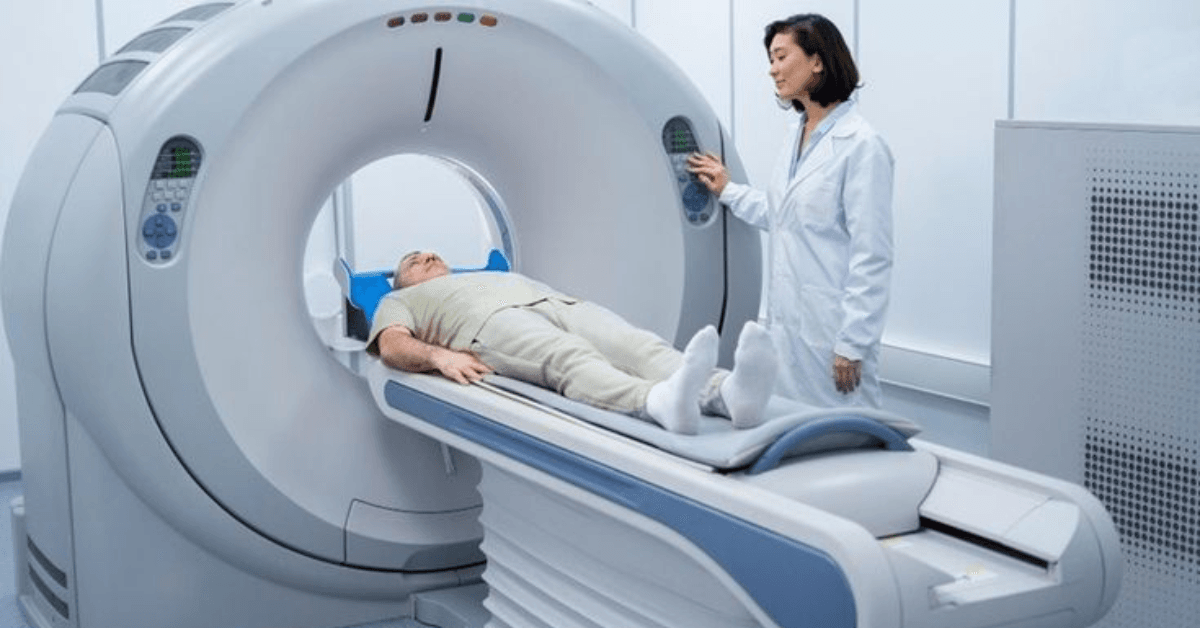
Based on any symptoms, a routine checkup, or a recommendation from your family physician, you might undergo certain cancer diagnostic scans. Some diagnostic tests and scans include X-rays, CT scans, bone scans, mammograms, MRIs, and more, depending on your condition. These scans can give your oncologist an idea of the presence and spread of cancer and its type. Even though the tests are reliable when it comes to detecting cancer, you can go for multiple tests before and throughout the treatment process to monitor the progress of the treatment.

2. Treatment Options
After understanding the scans, in the next appointment, oncologists in Tamil Nadu will take you through the available and suitable treatment options. They will suggest one or more combinations of treatments depending on your cancer type and spread, general health, and preferences.
The treatments offered are:
- Surgery
- Chemotherapy
- Radiation Therapy
- Immunotherapy
- Targeted Therapy
- Hormone Therapy
- And Palliative Care
You can also ask whether the stage of your cancer is curable, as well as the pros and cons of each treatment.
3. Side Effects Related To The Treatment
An oncologist will guide you on the specific side effects related to treatments that might occur and how to manage them.
Some of the most common treatment-related side effects are
- Mandatory bed rest
- Physical movement limitations
- Restriction of certain activities
- Anemia
- Eating and digestive problems
- Loss of fertility or sexual functioning
- Emotional effects
- Decreased immunity
- Fatigue
- Nausea or vomiting
- Hair loss
If there is a particular side effect that bothers you, like the loss of fertility, then you can ask your oncologist for procedures like medical fertility preservation that preserve eggs/sperm/embryo before the treatment starts.
4. Review Your Overall Health
Getting ready for cancer care begins with a full checkup led by an oncologist. Your health background matters — share details of ongoing illnesses such as diabetes, heart problems, high blood pressure, or kidney trouble. Medicines you already take must be reviewed since they may interact with new therapies. Even daily supplements and how active you are can shape how well treatment works. Body responses differ, so doctors often request specific tests to see what suits you best. In Tamil Nadu, specialists use these results to build a personalized treatment.
5. Emotional Support
When the cancer diagnosis gets overwhelming due to physical, mental, or financial burden, bringing a family member for emotional support throughout the treatment process is suggested. Emotional support is also offered by the multidisciplinary team through palliative care, which aims at restoring quality of life when cancer is diagnosed at stage IV, and a complete recovery is not possible.
6. Family Management
If you are a woman and have children, you can ask a family member or a friend to help you with routine household work. You can ask them to cook for you while you’re in treatment and for the rest of the family, as well as caring for your children. Oncologists in Tamil Nadu also recommend having a family member accompany you for treatment, travel, and routine care.
7. Employment Adjustments
If you are a working professional, you can talk to your employer regarding treatment-related absences and any temporary changes to your workload or responsibilities based on ongoing treatment and post-treatment side effects.
8. Financial Factors
A cancer treatment can be expensive! Ask your oncologist regarding the overall expenses right from the consultation, diagnostic scans, the expense of each therapy type, medicines, hospital stays, emotional and physical care, and follow-up checkups. It’s best if you understand all the financial aspects of the cancer treatment in Tamil Nadu before you begin, so you can manage your finances more efficiently. If you have insurance, then you can ask your provider about the breakdown of expenses covered. You can also get financial assistance, affordable care, and donations for the treatment-related costs for your particular cancer case.
9. Don’t Forget To Ask Questions During Treatment
Just as important as asking questions before treatment, it is important to ask them during the treatment. You can ask your oncologist regarding any treatment-related doubts, as well as any specific trouble you are facing in your routine. You can also ask them about any dietary or supplement intake, physical activity, routine lifestyle changes, and suggestions for a stable recovery.
10. Post-treatment Recovery
After a successful recovery — a multidisciplinary team will guide you on a specific diet and supplement intake to maintain and gain physical and emotional strength. If you notice any discomfort related to treatment, like surgery, side effects related to any therapy, or any symptoms of cancer again, discuss them with your oncologist during a routine checkup. Keeping your doctor updated on the physical effects of cancer treatment can help rebuild your physical health and prevent cancer recurrence.
Conclusion
Starting with a cancer treatment can feel overwhelming and quite intense, but if you know some of the vital steps related to the treatment procedure and how to be prepared, it becomes more manageable. Every cancer case is different, just as its treatment path, and the more informed you are about it, the more your treatment can be personalized as per your health needs and financial limitations. When it comes to seeking cancer care, remember you have the support of your family and a multidisciplinary team for emotional and physical care. Stay informed, ask questions, and actively participate in your cancer treatment, and you can go through the process with hope.