
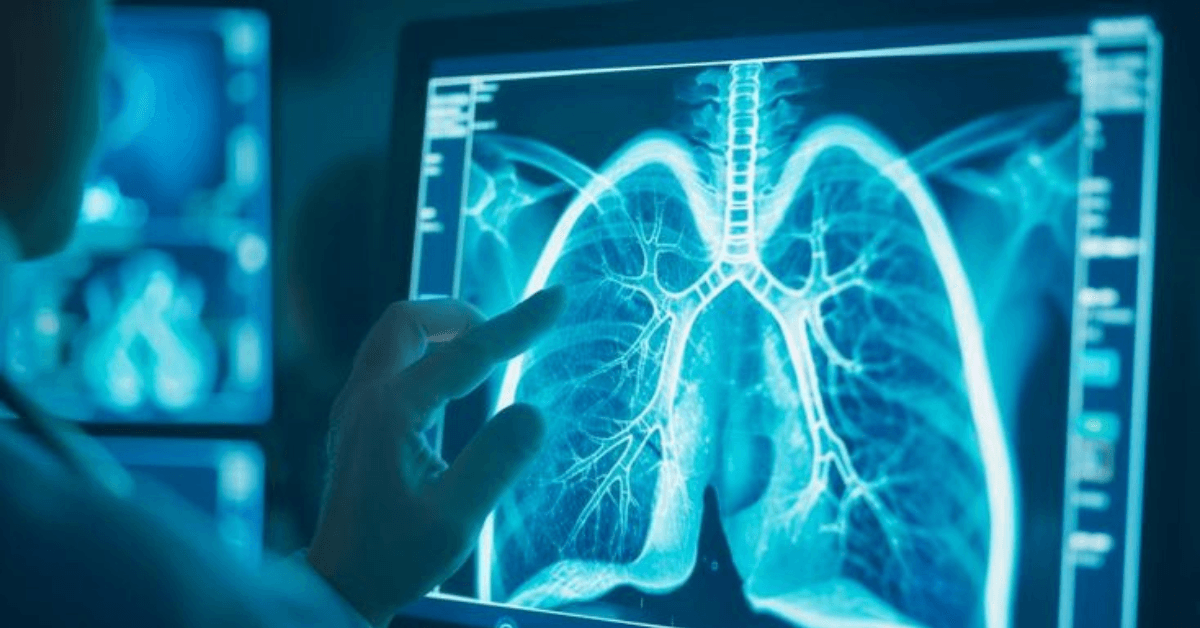
When it comes to the best lung cancer treatment in India, there are various factors that can determine the treatment result. Factors like the type of lung cancer, your overall health, response to treatment, and most importantly, early detection. When your lung cancer is detected early, it can offer a high rate of recovery as the spread of cancerous cells stays limited.
Through the help of this blog, let us understand how early detection of lung cancer can improve recovery outcomes, especially if you are at high risk.
Major Symptoms Of Lung Cancer
Lung cancer development shows no major symptom in its earlier stages; however, as it progresses, it shows the following symptoms:
- Cough lasting weeks
- Shortness of breath
- Pain and blood while coughing
- Chest pain
- Hoarse voice
- Recurrent Pneumonia/Bronchitis Infections
- Unexplained Weight loss/Fatigue
If you or someone you know is facing the above symptoms for extended durations, get screened for lung cancer quickly.
Screening Test For Lung Cancer
Currently, there is only one reliable screening test that is used for lung cancer detection. Pulmonologists and Oncologists use the LDCT scan to detect lung cancer in the early stages — as this test can identify even the smallest abnormalities. Low-Dose Computed Tomography uses minimum radiation, is non-invasive, quick, as well as painless.

Who Should Get Screened For Lung Cancer
- If you are aged between 50 and 80 years.
- Have a history of smoking one pack a day for 20 years/2 packs a day for 10 years.
- Active smoker or have quit within 15 years.
- Extended exposure to Radon gas/Secondhand smoke.
- Workplace exposure to carcinogens — Asbestos/Silica/Diesel Exhaust/Arsenic/Chromium.
- Family history of lung cancer.
The Benefits Of Early Detection
Higher Survival Rates
When lung cancer is detected in its early stages and is localized and has not spread to other organs, patients have a higher chance of recovery through treatments.
Safer Treatment Options
Oncologists may suggest potentially curative treatments such as surgery or stereotactic body radiotherapy (SBRT) — if lung cancer is detected in its early stages. But if it is detected in later stages, it may require multiple and personalized treatment options, leading to excess side effects.
Oncologists recommend regular screenings for you if you have a genetic risk or family history of a specific type of lung cancer.
Reduced Treatment Expense
Early detection through routine health checkups and screening checks saves you not only from lung cancer, but also from expensive lung cancer treatment done in later stages. If you are diagnosed with lung cancer at an advanced stage, which has become aggressive, reaching surrounding organs; it may need multiple treatment types like surgery, chemotherapy, and palliative care. It makes treatment more expensive and yields poor recovery.
Less Physical And Mental Strain
If your lung cancer is detected at stage IV and has spread to surrounding lymph nodes and organs, the physical pain and treatment side effects take a toll on your overall health. The effects of the disease and the side effects of the treatments lead to excessive physical and mental burden.
Innovation In Lung Cancer Detection
The progress in the medical space is improving the reliability, accuracy, and accessibility of lung cancer screenings through the use of the following.
Artificial Intelligence
It is one of the most prominent technologies being developed to enhance cancer screenings and improve the accuracy of detection. AI trained on a large dataset of cancer tests and imaging results can identify even the most minor lung cancer growth that a radiologist may miss and can potentially estimate the risk of cancer development in a patient.
Biomarker Testing
Researchers are studying blood-based and sputum-based biomarker tests that can be used to identify lung cancer. These tests might identify molecular changes that are linked to lung cancer development. They are not recommended for routine screening but can be used in the future for earlier detection.
Genetic Testing
Oncologists recommend that patients with a family history of lung cancer undergo genetic testing to identify genetic variations. This test can find out genetic changes that are linked with a higher risk of lung cancer and can help the oncologist be prepared for treatment. This test also helps oncologists identify mutations in the genes and use the information for targeted therapy and personalized treatment.
Conclusion
Lung cancer is a fatal disease that leads the global mortality rate among cancers, but if this cancer is detected early, it can lead to successful recoveries. Prevention, symptom awareness, as well as early detection with screening tests, help improve the patient’s survival rate. When detected early, even the best lung cancer treatment in India becomes affordable, accessible, and effective.