
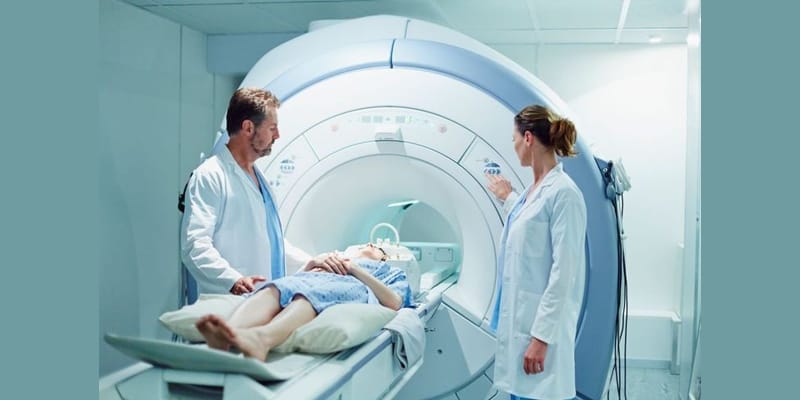
Lung cancer leads in cancer-related mortality worldwide, continually posing a significant threat to human health. Current imaging diagnostic techniques at the best lung cancer hospitals in India, while offering non-invasive detection, suffer from issues such as insufficient sensitivity and the risks associated with radiation exposure. Pathological diagnosis, the gold standard for confirmation, also faces challenges like invasiveness and high costs.
In lung cancer treatment in Trichy, surgery, radiotherapy, and chemotherapy are the main modalities, each encountering challenges related to precision, environmental adaptability, and side effects. In this blog, we look into the new solutions for the diagnosis and treatment of lung cancer, promising to enhance diagnostic accuracy and reduce side effects during treatment.
Future Treatment That Can Reduce The Impact Of Cancer
In this section, we will explore emerging cancer treatments that promise to improve survival rates, reduce side effects, and enhance patient outcomes.
Repotrectinib (Augtyro™)
Repotrectinib (Augtyro™) is a groundbreaking targeted therapy for advanced non-small cell lung cancer with a ROS1 fusion. Ingrid Adams, diagnosed with metastatic lung cancer over a decade ago, saw her disease stabilize after joining a clinical trial at MSK in 2017. The TRIDENT-1 study, involving 127 patients, showed nearly 80% response in those untreated with ROS1 inhibitors and 40% in those previously treated. Repotrectinib shrinks tumors, including brain metastases, and lasts longer than previous drugs like crizotinib and entrectinib. While dizziness and tingling are common side effects, only 7% discontinued treatment. Ongoing trials are exploring its potential in other cancers, benefiting countries with high cancer rates like India and contributing to the rise of some of the best lung cancer hospitals in India for effective treatment.
Inhalable Treatment
A Columbia University study in Nature Nanotechnology reveals a breakthrough inhalable treatment for lung cancer using exosomes—tiny cell-derived bubbles that deliver IL-12 mRNA directly to tumors. This noninvasive approach enhances immune response while minimizing side effects. Lab tests in mice showed exosomes outperform liposomes in delivering IL-12, activating cancer-fighting T cells, and preventing tumor spread. Unlike traditional chemotherapy, exosomes avoid systemic toxicity. Researchers believe this method could revolutionize lung cancer treatment at the best lung cancer hospitals in India and globally and potentially treat other diseases. Though human trials may take years, the study paves the way for safer, targeted immunotherapy using inhalation.
BiTE Therapy
MUSC Hollings Cancer Center offers tarlatamab, a breakthrough BiTE therapy for extensive small cell lung cancer (SCLC) that resists chemotherapy. Approved by the FDA, tarlatamab links T-cells to cancer cells, improving immune response. Unlike chemotherapy, which offers short-lived benefits, tarlatamab provides longer-lasting results with fewer toxic effects. However, it can cause short-term immune-related side effects like cytokine release syndrome. Hollings’ expert team ensures safe administration. A new clinical trial will explore the earlier use of tarlatamab. This innovation offers hope to many patients battling aggressive lung cancer.
Sotorasib (Lumakras)
Sotorasib (Lumakras), FDA-approved in May 2021, is the first targeted therapy for non-small cell lung cancer (NSCLC) with the KRAS G12C mutation, found in 13% of lung adenocarcinomas. In a phase 2 trial with 126 patients, 82% experienced tumor shrinkage, with 37% showing a significant reduction. The drug, taken orally, blocks KRAS protein activity, improving survival to an average of 12.5 months—far better than standard treatments. Side effects included diarrhea, nausea, and fatigue but were generally manageable. Ongoing trials aim to enhance effectiveness with combination therapies, marking a major breakthrough in treating previously hard-to-target KRAS-driven lung cancer.
Flash Radiotherapy
Flash radiotherapy, an ultra-fast treatment delivering radiation in less than a second, is revolutionizing cancer care. Developed at CERN, this breakthrough minimizes damage to healthy tissue while allowing higher radiation doses to target tumors. Studies show Flash reduces side effects in animal models, and human trials are underway for lung, brain, and metastatic cancers. Proton therapy is the current focus, but researchers are developing smaller, cost-effective X-ray Flash machines to improve accessibility. If successful, Flash could make radiotherapy safer, more effective, and widely available, especially in low-income countries with limited cancer treatment resources, and eventually will help some of the best lung cancer hospitals in India.
Conclusion
The future of lung cancer treatment in Trichy looks promising with innovations like Repotrectinib, inhalable therapies, BiTE therapy, Sotorasib, and Flash radiotherapy. These advancements enhance precision, reduce side effects, and improve survival rates. While challenges remain, ongoing research and clinical trials offer new hope for patients worldwide. As technology evolves, these lung cancer treatments in Trichy may transform lung cancer care, making it more effective, accessible, and less invasive in the years to come.